The Heavy Hand of the Iranian Regime: A History of Brutality and Protest
13 Jan 2026
As I sent my second book to the printers last week after reviewing the final few chapters, I was saddened to see the violence taking place in Tehran against protestors. The reality of this regime is something which has long struck a chord with me. During the 2022 World Cup in Qatar, I was lucky enough to spend time talking to many Iranian fans, even after they beat Wales! The plight of their people is something which resonated with me and a subject I touch upon in my second book. It therefore felt grotesquely poignant timing that the recent protests took place as these chapters were finalised and will be in print this easter. I thought I would write this post to give a bit of the background of the regime, but as always encourage people to read more to understand how we got here and the oppression the Iranian people are fighting against.
Iran's complex history over the past several decades is marked by the enduring struggle between the oppressive actions of its ruling regime and the relentless spirit of its citizens who seek justice and reform. Since the Islamic Revolution of 1979, the Iranian regime has consistently employed oppressive tactics to maintain its grip on power, stifling dissent and punishing those who dare to raise their voices against tyranny.
From the onset, the regime’s hostility towards dissent has been glaring. The hardline ideology underpinning the government means that any opposition is viewed not just as a political disagreement but as a direct threat to its survival. This mentality has fostered an environment where protests, seen as acts of defiance, are met with swift and often brutal crackdowns.
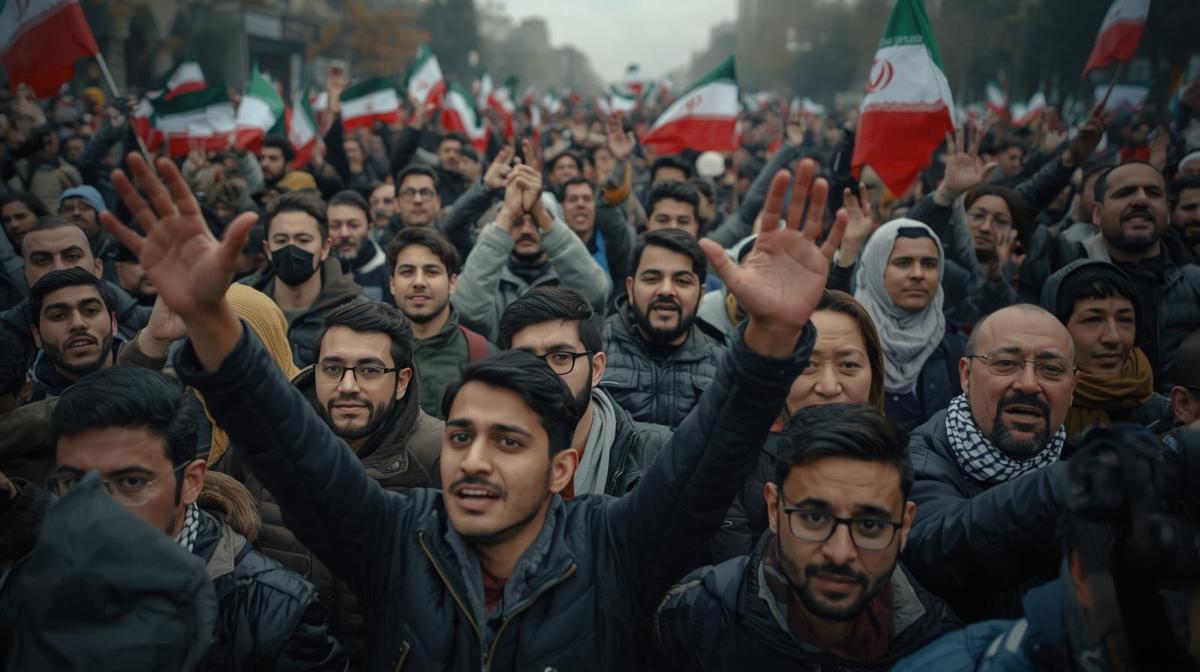
One of the most infamous examples of state violence occurred during the 2009 Green Movement. Sparked by allegations of electoral fraud, millions of Iranians took to the streets demanding reform. In response, the regime unleashed security forces on protestors, leading to widespread violence, arbitrary arrests, and even killings. The brutality of this crackdown was not just a one-time event; it set a disturbing precedent that has echoed into subsequent protests, each met with increasing ferocity.
In the two years following the 2009 protests, discontent simmered, eventually boiling over again in November 2019. A sudden hike in fuel prices ignited widespread protests across the country. The regime's response was chilling with security forces killing hundreds of protestors in an effort to quell the unrest. Reports emerged of mass arrests and torture. The government's complete disregard for human life was evident as the situation unfolded, and international calls for accountability went largely unheeded.
This pattern of violence is not only a historical account. It's a reality that affects countless individuals today. As I delve into this chilling history in my upcoming book, I aim to shed light on the unyielding spirit of the Iranian people who continue to resist, often at great personal cost. Each protest becomes a testament to their courage, a beacon of hope against an overwhelming darkness.
As the regime continues its brutal silencing tactics, it’s important for the global community to recognise the resilience of the Iranian people. They are not merely statistics in a cycle of oppression; they are champions of change who refuse to be silenced. Ultimately, their struggle is a reminder that the desire for freedom and justice is a powerful force that cannot easily be extinguished.