The Thames Barrier: A Thrilling Inspiration for My Novel
23 Feb 2026
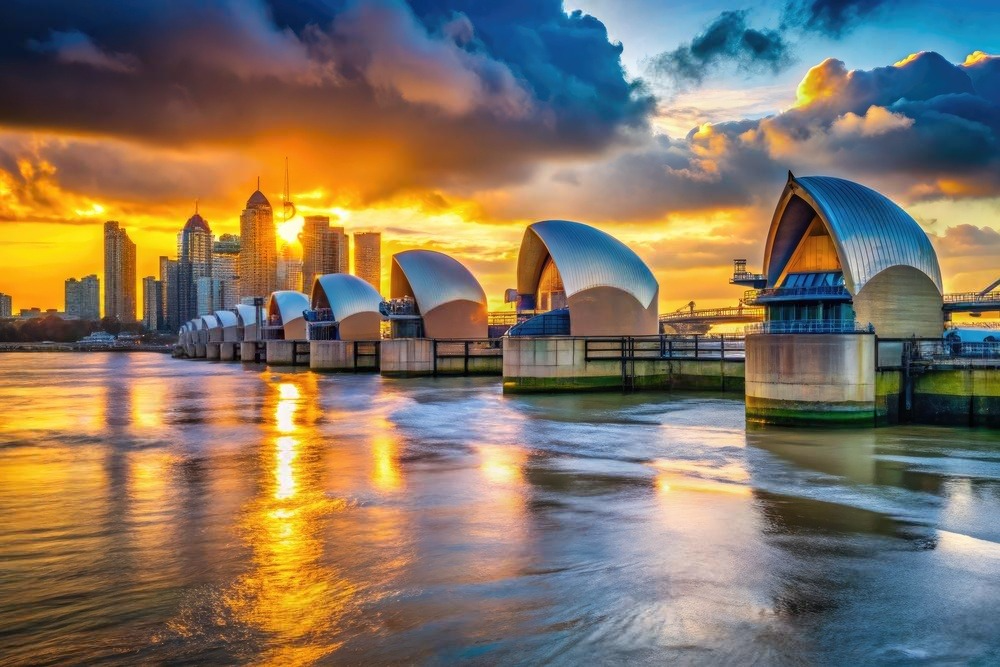
London is littered with historical marvels, but few structures encapsulate human ingenuity in the face of climate change quite like the Thames Barrier. This remarkable feat of engineering, spanning over 520 metres across the River Thames, serves a dual purpose: protecting London from the threat of flooding and sparking an unyielding fascination with the intersection of nature and human endeavour. Inspired by its impressive form and vital function, I chose the Thames Barrier as the climatic setting for Blood in the Water.
The Thames Barrier was officially opened in 1984, as a direct response to the increasing threat of storm surges and rising sea levels. This colossal structure consists of 10 movable gates that can be raised or lowered to shield the city from high tides and floods. Each time a gate is activated, it’s a reminder of the delicate balance between protecting our cities and addressing the urgent reality of climate change. The very existence of the Barrier underscores a pivotal question: can our memories of human achievement guide us toward a more sustainable future, or are we simply delaying the inevitable consequences of our environmental actions?
As climate change continues to rear its head, the importance of the Thames Barrier becomes even more pronounced. Recent concerns over rising global temperatures and increased flooding have led many to question whether our current defenses are sufficient. The potential for climate devastation is not just a matter of physical landscape; it also breeds civil unrest. If communities feel neglected by those in power, discontent grows. Fuelled by fear and desperation, people can take drastic measures to be heard. In the heart of my thriller, the Thames Barrier symbolises not just a solution to physical threats, but also a reflection of the deep-rooted societal tensions that may rise in its shadow.
Through my characters and the intricate plot of my thriller, I aim to mirror the tumultuous emotions caused by climate change. The adrenaline-pumping narrative takes place against the backdrop of a malfunctioning Thames Barrier on a stormy night, creating a sense of urgency that screams for action. The characters face not only the natural disasters but also the chaos that arises among people who feel unheard and threatened by their reality. It was just a few months ago we had the most recent COP summit, where wranglings persisted over emissions targets and funding for under-devloped countries to combat climate change. One thing I wanted to capture in my narrative was how passionate causes, no matter how moral, can spill into violence if people are not heard and change does not come. That is a genuine fear I have when it comes to climate change.
Writing Blood in the Water reminded me of the broader implications of structures like the Thames Barrier. They are a testament to human resilience, representing a glimmer of hope that we can adapt and innovate. However, they also serve as cautionary reminders: we must not let our overconfidence in technological solutions blind us to the urgency of addressing climate change head-on.
As I penned the final chapters of my thriller, I was inspired by the rapid changes in our world and how they influence both our art and our lives. The Thames Barrier stands tall and functional, yet it begs us to contemplate the future we are building. It compels us not only to reflect on our past achievements but also to take action against the climate challenges which threaten our very existence.
So, let’s remain aware, engaged, and inspired by structures like the Thames Barrier. They remind us that while we can build defences against nature, we also need to tackle the underlying issues that contribute to our climate crisis. Together, we can strive toward solutions that address both the environmental challenges and the societal factors that accompany them. Oour voice, our actions, and our engagement with this pressing issue can pave the way for change.
Stay tuned for more updates about Crimson Sands, and let’s work collectively towards a more sustainable future!